
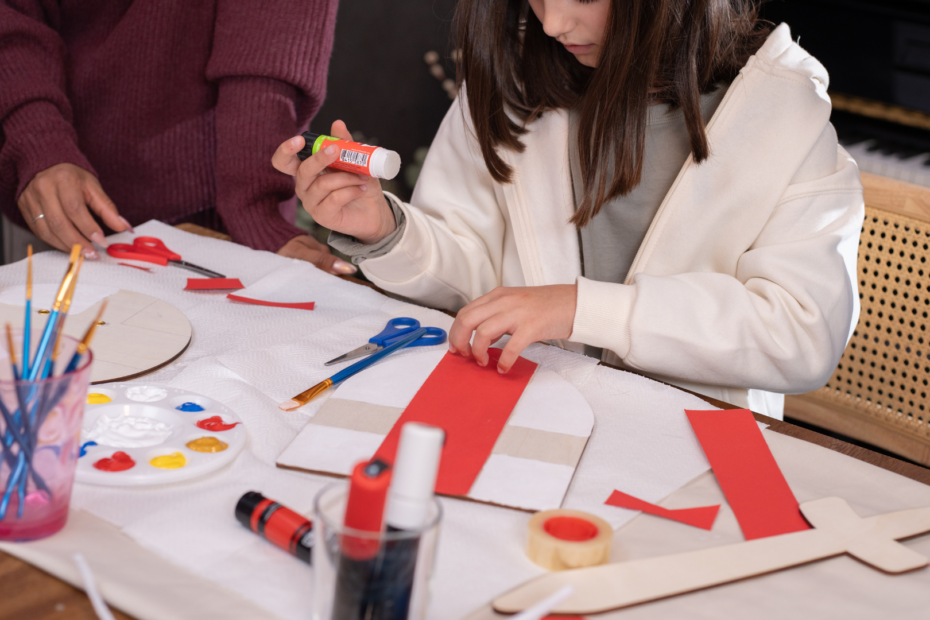
When it comes to craft projects, choosing the right glue can make all the difference in both durability and ease of use. Different materials and project types require specific adhesives to hold securely without damaging the items involved
The best glue for craft projects is typically a strong, fast-drying, and versatile adhesive like tacky glue or a clear-drying craft glue, depending on the materials you’re working with. These glues work well on paper, fabric, wood, and many common craft supplies.
Understanding the specific needs of your project will help you select the glue that balances strength, flexibility, and cleanup ease. This guide will help you pick the right glue for your crafting needs.
Types of Glue for Craft Projects
Choosing the right glue depends on the materials involved and the desired drying time. Some adhesives are better for porous surfaces, while others excel with plastics or quick bonding needs. Understanding the strengths and limitations of each glue type can improve the quality and durability of a craft project.
White Glue
White glue, also known as PVA glue, is a water-based adhesive suitable for porous materials like paper, wood, and fabric. It dries clear and offers a flexible, strong bond, making it ideal for school projects and light crafts.
It typically takes 20-30 minutes to set, with full strength reached after 24 hours. White glue is non-toxic and easy to clean up with water, which is helpful for children or beginners. However, it is not waterproof and can weaken if exposed to moisture.
Hot Glue
Hot glue is applied using a heated glue gun and solidifies rapidly upon cooling. It’s effective on various surfaces, including plastic, metal, wood, and fabric, providing a strong bond within seconds.
Because of its quick drying time, hot glue is suitable for projects needing immediate handling. It can fill gaps and hold bulky items, but it may not be ideal for delicate or heat-sensitive materials. Care must be taken to avoid burns during application.
Super Glue
Super glue, or cyanoacrylate, is a fast-drying adhesive known for creating strong, permanent bonds on non-porous surfaces like metal, glass, and ceramics. It bonds within seconds, which minimizes project wait time.
This glue is best for small areas due to its thin consistency. It is not flexible when dry and can cause brittle bonds that may crack under stress. Super glue requires careful handling as it bonds skin instantly, and fumes can irritate eyes and the respiratory system.
Craft Glue Sticks
Craft glue sticks are solid adhesives that melt when heated in a glue gun. They are convenient for quick, mess-free applications with moderate bonding strength.
Commonly used for paper, foam, and fabric, glue sticks provide a cleaner alternative to liquid glues. However, their bond may be weaker than that of liquid adhesives on certain plastics or heavy materials. They solidify fast and are easy to control, making them popular in repetitive or classroom settings.
Choosing the Right Glue for Your Material
Selecting the right adhesive depends on understanding the material’s properties. Some glues offer flexibility, others strong bonds or quick drying. Matching glue type with material enhances durability and appearance.
Paper and Cardboard
For paper and cardboard, white craft glue (PVA glue) is the most common choice. It dries clear, is non-toxic, and provides a flexible but firm bond. Avoid using super glue, as it can cause the paper to wrinkle.
Glue sticks work well for light projects or temporary bonds, but lack strength for heavier or layered paper crafts. For thicker cardboard, hot glue provides a strong, fast-setting bond but can leave lumps and sometimes damage thinner paper.
Key points:
- Use PVA glue for general paper projects.
- Avoid harsh adhesives that warp or discolor.
- Hot glue suits heavier cardboard, but use it cautiously on thin paper.
Fabric and Textiles
Fabric glue designed specifically for textiles ensures a flexible, washable bond. It dries clear and remains soft after drying, replacing the need for sewing in some cases. Look for options labeled “permanent” and safe for washing.
Avoid standard craft glues, which become stiff and brittle, making fabric uncomfortable or prone to cracking. For heavy fabrics or mixed-media projects, hot glue can work, but it may lose flexibility and cause stiffness.
Key tips include:
- Prefer fabric glue that supports washability.
- Test a small fabric piece before full application.
- Use hot glue sparingly for a stronger hold on thicker textiles.
Wood and Natural Materials
Wood glue, typically PVA-based but thicker, creates strong, durable bonds for wood and porous natural materials like cork or dried leaves. It penetrates the surface slightly, producing a tight, permanent hold.
Epoxy adhesives offer high strength and water resistance, but require mixing and curing time. For small craft projects, wood glue is simpler and more effective. Avoid super glue on porous wood; it dries too brittle and can flake off.
Essential points:
- Use wood glue for most natural materials and wood.
- Epoxy is best for waterproof or heavy-duty needs.
- Avoid glues that dry brittle on porous surfaces.
Strength and Durability Considerations
Choosing the right glue for craft projects requires attention to how well the adhesive maintains its bond over time and how it reacts to stress or movement. These factors affect both the lifespan of the project and its suitability for different materials.
Long-Term Hold
A glue’s ability to create a strong, lasting bond is essential for crafts intended to endure use or display. Epoxy adhesives and polyurethane glues often provide the most robust long-term hold, especially on porous or non-porous surfaces. They resist moisture and temperature changes, which helps prevent weakening.
White glue (PVA) and tacky glue work well for paper and light materials but may lose effectiveness if exposed to humidity or weight over time. For projects involving heavy or flexible materials, opting for glues labeled as waterproof or industrial strength improves durability.
Flexibility Upon Drying
Certain glues dry hard and brittle, which can cause cracking or separation if the project undergoes bending or stress. Silicone-based adhesives and some hot glue formulations offer flexibility, allowing the bond to move with the materials.
Flexible glue is crucial for wearable crafts, fabric, or projects expected to experience regular handling. However, flexible glues may sacrifice some bonding strength, so balance flexibility with the project’s load requirements.
| Glue Type | Flexibility | Typical Use Cases |
| Epoxy | Rigid | Wood, metal, ceramics |
| Hot glue | Moderate | Fabric, small repairs |
| Silicone adhesive | High | Wearables, outdoor gear |
| PVA (white glue) | Low to moderate | Paper, lightweight craft |
Drying Time and Application Techniques
Understanding how long glue takes to dry and how to apply it correctly can improve the strength and finish of craft projects. Some adhesives bond rapidly, while others require more curing time. Application method varies based on glue type and project details.
Quick-Drying Glues
Glues such as cyanoacrylate (super glue) and some tacky glues dry within seconds to minutes. These are ideal for small parts or quick fixes but require steady hands to avoid a mess. They typically reach a handling strength in under a minute, with full cure in 24 hours.
Hot glue sets almost instantly when applied with a hot glue gun and bonds plastics, wood, and fabric well. However, it remains somewhat flexible and doesn’t hold heavy items for long periods under stress.
Tip: Work in small sections to prevent the glue from setting before parts are joined. Avoid repositioning after contact, as repositioning is limited due to rapid bonding.
Precise Application Tips
Apply glue in thin, even layers to avoid excessive drying times and messy overflow. Use applicators like fine-tipped squeeze bottles or brushes for controlled dispensing, especially on delicate or small surfaces.
For porous materials like paper or fabric, spread glue lightly to prevent warping or seepage. Allow some airflow to speed drying, but avoid direct heat sources, which can weaken the bond.
Keep tools clean to maintain precise application. Disposable sticks or toothpicks are effective for small dots or lines. When working with multiple glue types, test application on scraps to ensure compatibility and control.
Safety and Non-Toxic Options
Choosing glue for crafts means considering safety, especially for children. Non-toxic formulations and proper ventilation reduce health risks during use.
Glue for Kids’ Craft Projects
For children, look specifically for non-toxic, ASTM D-4236 certified glues. These adhesives are tested and labeled as safe for use by kids. Common choices include white school glue and washable glue sticks. Both dry and clear, and easily clean off skin and surfaces.
Avoid super glues or solvent-based adhesives with strong fumes and harmful chemicals. If young children will handle glue, select products that explicitly state “kid-safe” or “non-toxic” on the packaging. Always supervise use to prevent ingestion or eye contact.
Ventilation and Allergy Information
Some adhesives release volatile organic compounds (VOCs), which can irritate the respiratory system. Use glues in well-ventilated areas to minimize exposure. Fans or open windows help disperse fumes.
People with asthma or chemical sensitivities should choose low-VOC or no-VOC options. Watch for ingredients like formaldehyde, toluene, or ethyl acetate, which may trigger allergies. Always read product labels and safety data sheets for detailed chemical contents.
Comparing Popular Craft Glue Brands
When selecting glue for craft projects, it helps to understand the strengths of common brands. Each offers unique properties suited to different materials and project types.
Elmer’s Glue-All is a classic choice for paper, wood, and fabric. It dries clear and is easy to clean up with water. Its versatility makes it a reliable option for school projects and basic crafts.
Aleene’s Original Tacky Glue provides a thick, fast-gripping hold. It’s ideal for heavier materials like fabric, beads, and foam. The glue remains slightly tacky, which allows repositioning before it sets.
Mod Podge doubles as an adhesive and a sealant. It works well for decoupage and sealing painted or paper surfaces. It dries to a durable, flexible finish with a subtle sheen.
Gorilla Glue offers a strong, waterproof bond. It expands while curing, so careful application is needed. This glue excels in bonding wood, ceramic, and metal.
| Brand | Best For | Dry Time | Finish | Cleanup |
| Elmer’s Glue-All | Paper, wood, fabric | 20-30 min | Clear | Water |
| Aleene’s Tacky | Fabric, beads, foam | 30-45 min | Slightly tacky | Water |
| Mod Podge | Decoupage, sealing | 15-20 min | Matte/satin | Water |
| Gorilla Glue | Wood, metal, ceramics | 1-2 hours | Natural wood | Acetone/solvent |
This comparison highlights practical differences like dry time and finish. Choosing the right glue depends heavily on the materials involved and the project’s durability needs.
Storage and Shelf Life
Proper storage extends the usability of glue and maintains its bonding strength. Most craft glues should be kept in a cool, dry place away from direct sunlight. Heat and humidity can degrade the adhesive, causing it to dry out or separate.
Air exposure is a leading cause of glue spoilage. Always ensure that caps are tightly sealed after use to prevent air from hardening the glue inside the container. For some types, such as white or PVA glue, storing the bottle upside down can minimize air contact.
Shelf life varies depending on glue type and brand. Typically, white glue lasts about 1 year, while strong adhesives like epoxy can last 2-3 years unopened.
| Glue Type | Typical Shelf Life | Storage Tips |
| White Glue (PVA) | 12 months | Store upright, cool place |
| Hot Glue Sticks | Indefinite | Keep dry, away from heat |
| Epoxy | 2-3 years unopened | Seal tightly, cool storage |
| Super Glue | 6-12 months | Refrigerate for a longer life |
Using expired glue reduces bond strength and may cause craft projects to fail. Check manufacturer dates and discard glue that has thickened or separated.
Budget-Friendly Choices
For craft projects that require effective adhesion without a high price, several affordable options stand out. These glues are widely available and perform well on various materials.
White school glue is a top budget choice. It is non-toxic, easy to use, and dries clear. Best suited for paper, fabric, and lightweight materials, it is often sold in large bottles, making it cost-effective.
Another economical option is tacky glue. This glue holds stronger than standard white glue and works well on wood, foam, and fabric. Its thicker consistency reduces mess and makes it easier to control during application.
Glue sticks are handy for quick projects where minimal liquid glue is needed. They are inexpensive and create less mess, ideal for paper crafts or lightweight embellishments.
| Glue Type | Best For | Price Range (approx.) | Key Features |
| White School | Paper, fabric | $2 – $5 | Non-toxic, dries clear |
| Tacky Glue | Wood, fabric, foam | $3 – $7 | Thick, strong hold |
| Glue Stick | Paper crafts | $1 – $3 | Clean, easy application |
These budget-friendly choices provide reliable results without sacrificing quality. Selecting the right one depends on the materials being joined and the nature of the craft project.
Creative Uses and Advanced Glue Methods
Using glue creatively can elevate craft projects beyond basic assembly. For instance, glue layering allows you to build texture or create 3D effects by applying multiple thin coats, letting each dry before adding another.
Some adhesives, like epoxy or polyurethane glue, can be mixed with pigments or glitter to add color and sparkle directly into the bond. This technique combines function with decoration, saving time and effort.
Glue dots and glue pens offer precision for intricate detailing in paper crafts or jewelry making. They allow for tiny applications where liquid glue would be too messy or imprecise.
Table: Common Advanced Glue Techniques
| Technique | Description | Best Glue Types |
| Glue Layering | Applying thin, multiple coats for depth | PVA, craft glue |
| Embedding Additives | Mixing glue with pigments or small materials | Epoxy, resin glue |
| Precision Application | Targeted placement with glue dots or pens | Glue dots, tacky glue |
Heat-activated glue sticks can be reshaped or remelted briefly, giving an opportunity for repositioning before the project fully sets. This method is useful for temporary holds or corrections.
Experimenting with different surfaces is common in advanced methods. For example, using glue to bond fabric to wood or metal demands adhesives made specifically for those materials. Always check glue compatibility for clean, durable results.