
Small spaces don’t have to limit your creativity. With the right craft ideas, you can maximize every inch while keeping your projects organized and manageable. Craft ideas for small spaces focus on compact, multi-use tools and clever storage solutions to keep your workspace efficient and clutter-free.
Using vertical space, foldable furniture, and portable supplies can transform tight areas into productive, creative zones. Simple projects like miniature art, paper crafts, or DIY organizers fit perfectly in small environments without overwhelming your space.
These approaches help you enjoy crafting even if you have limited room, proving that size doesn’t determine how big your creativity can be.
Essential Planning for Small Space Crafting
Maximizing limited space requires careful measurement, practical tool choices, and smart organization. Each step impacts how efficiently the area functions for crafting activities.
Assessing Your Available Space
Begin by measuring your crafting area precisely. Note dimensions of walls, furniture, and clear floor space. Use tape measures and record these figures to plan storage and work surfaces effectively.
Identify fixed elements like windows and outlets to avoid interference. Consider natural light sources and prioritize well-lit spots for detailed work. If space is very tight, think vertically—walls and doors can hold shelves or hooks.
Create a scaled floor plan or use an app to visualize furniture layout. This helps prevent overcrowding and ensures clear pathways for movement during projects.
Choosing Multi-Use Craft Tools
Select tools serving multiple purposes to save space. For example, scissors with integrated wire cutters or pens that function as styluses reduce the number of items needed.
Prioritize compact tools that stack or nest together neatly. Collapsible or foldable items, like cutting mats or storage bins, can be stowed away when unused.
Invest in combination kits, such as a rotary cutter with interchangeable blades. This reduces clutter and cost while maintaining functionality. Quality over quantity improves efficiency in limited areas.
Prioritizing Organization
Develop a system that keeps supplies accessible but contained. Use clear plastic bins for visibility and label each container by contents, such as “beads,” “paints,” or “glue sticks.”
Incorporate vertical storage solutions like wall-mounted racks or pegboards. Magnetic strips can hold metal tools safely. Drawer organizers help separate small items and prevent mixing.
Schedule regular tidying to maintain order. A clutter-free workspace encourages creativity and reduces frustration caused by lost or buried materials.
Maximizing Storage with Smart Solutions
Optimizing space in small areas requires using every inch efficiently. Incorporating vertical elements, adaptable furniture, and hidden compartments can significantly increase storage without cluttering the craft area.
Vertical Storage Ideas
Using walls and vertical surfaces can free up floor space and keep materials within easy reach. Install pegboards or slat walls to hang tools, scissors, ribbons, and brushes. Adjustable shelves allow customization for different-sized supplies.
Stacked clear storage bins provide visibility and accessibility while using height instead of width. Magnetic strips can hold metal items like scissors or tweezers securely. Consider a tall, narrow cabinet with multiple shelves to organize paper, fabrics, and paints vertically.
Foldable Furniture for Crafting
Foldable tables and chairs save room by collapsing when not in use. A folding workbench with storage compartments underneath offers a dedicated workspace without permanent setup. Folding stools or chairs can be tucked away in closets or under beds.
Choose desks with drop-leaf surfaces to expand or shrink your workspace depending on project needs. Some work tables include adjustable heights or built-in drawers, providing multi-functionality in compact setups.
Hidden Storage Opportunities
Hidden compartments exploit unused spaces while keeping materials tidily concealed. Use the space under window sills for slim drawers or shallow boxes. Repurpose old suitcases or trunks as storage containers that double as seating.
Furniture with built-in storage, like ottomans, benches, or beds, can hide craft items out of sight. Wall-mounted cabinets with doors offer closed storage that prevents dust accumulation. Box storage under floating shelves can keep frequently used items close but discreet.
Creative Craft Ideas for Tiny Areas
Maximizing a small space requires creative use of vertical surfaces, compact materials, and multifunctional designs. Easy-to-make projects that fit small footprints can add personality and function without clutter. Focusing on streamlined, space-conscious crafts helps maintain order and style.
Wall Art and Hanging Projects
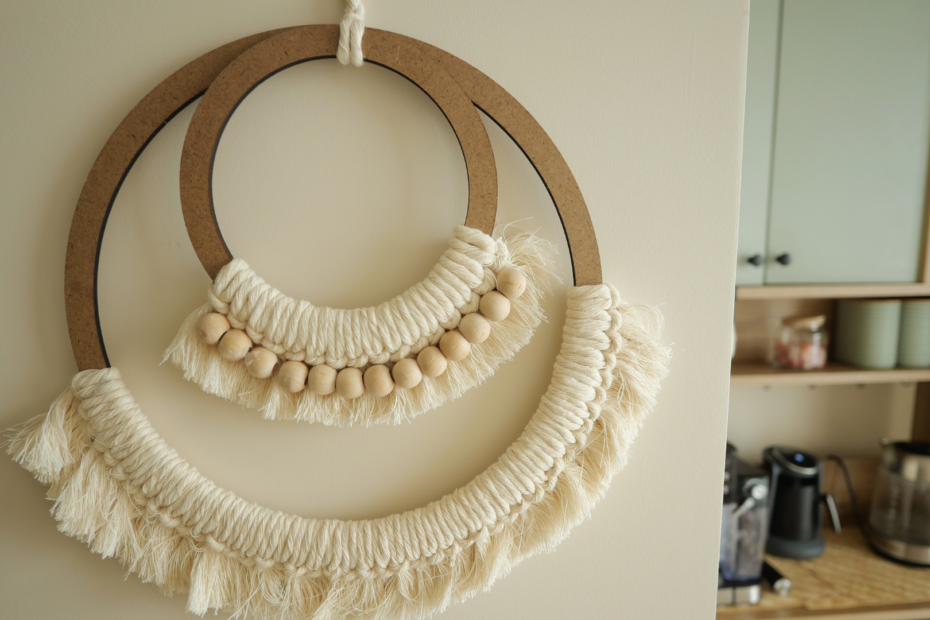
Utilize walls for craft projects like framed fabric patterns, small canvases, or decorative wreaths. Magnetic or cork boards can serve dual purposes: holding art and organizing notes or photos without taking up floor space. Hanging planters or pocket organizers add texture and keep surfaces clear.
String art and lightweight mobiles work well in narrow corners or above furniture. Use command hooks to avoid wall damage. Layering small frames in grids creates a gallery effect, offering visual interest without needing large pieces.
Compact Decor Crafts
Focus on items that serve multiple roles, such as decorative trays that hold jewelry or keys. Small ceramic bowls painted with patterns add character and are easy to make. Recycled materials like bottle caps or fabric scraps can be transformed into coasters or wall accents.
Foldable paper crafts like origami can decorate shelves without straining space. Keep colors muted to prevent overwhelming tiny rooms. Choose materials that stack or nest for easy storage when not displayed.
DIY Card Making
Create personalized cards using minimal tools—stamps, colored pens, and scrap paper. Cards serve as quick gifts or reminders and take up almost no storage. Incorporate embossing or layering techniques for a professional look without bulk.
Use stencils or washi tape to add design without mess. Store finished cards in compact boxes or envelopes. Small embellishments like buttons or ribbons personalize each card without increasing size significantly.
Miniature Plant Displays
Tiny succulent gardens in stacked or hanging pots bring greenery to small spaces without crowding surfaces. Use vertical planters or wall-mounted pots to save room. Air plants placed in glass terrariums add a modern touch and require minimal care.
Create a tiered display from repurposed materials to combine decoration and function. Keep pots small to avoid root crowding. Choose drought-tolerant plants to maintain with limited light and watering schedules.
Portable Crafting Projects
Compact crafting projects allow easy storage and transport without needing a dedicated workspace. The materials tend to be lightweight and minimal, making setup and cleanup fast and simple. These projects fit well into small living spaces and help maintain an organized crafting area.
No-Sew Fabric Creations
No-sew fabric projects eliminate the need for bulky sewing machines, focusing on scissors, glue, and simple techniques. Common projects include fleece blankets tied at the edges, fabric tote bags using fabric glue, and felt decorations assembled with hot glue or fabric tape.
These crafts require minimal supplies: fabric pieces, cutting tools, and adhesives. They are suitable for beginners and do not demand extensive technical knowledge. Making wearable items, home decor, or gifts is feasible without the mess or space sewing typically requires.
Bead and Jewelry Kits
Bead and jewelry kits are ideal for small spaces due to their contained materials and compact storage. Kits often include beads, wires, clasps, and basic tools, all organized in small compartments or cases.
Such projects focus on creating bracelets, necklaces, and earrings, which need only a flat surface to work on. They foster creativity without spreading out large or heavy materials. Portable kits also allow hobbyists to craft while traveling or during short breaks.
Portable Paint Palettes
Portable paint palettes are made to reduce mess and hold multiple paint colors in one small container. They often come with snap-seal compartments or wells, suitable for watercolors, acrylics, or gouache.
These palettes save space by combining mixing areas and storage, and can be accompanied by travel-sized brushes and water containers. Artists can paint in confined spaces or outdoors, making it easy to maintain a clean and orderly workspace.
Space-Saving Craft Stations
Efficient use of vertical and mobile solutions can maximize limited craft space. Focus on furniture and storage that adapts to different needs while keeping essential materials within easy reach.
Rolling Craft Carts
Rolling craft carts are ideal for small spaces because they provide mobility and multi-level storage. Look for carts with several tiers, adjustable shelves, and built-in compartments to organize supplies like scissors, glue, and paint.
They can be moved around easily, allowing creative work in different areas or quick storage when not in use. Choose carts with lockable wheels for stability during projects. Materials such as metal or durable plastic are preferable for longevity and easy cleaning.
Using containers such as bins or drawer inserts within the cart helps separate tools and consumables, reducing clutter. Rolling carts free up desk surfaces and can double as temporary work tables.
Convertible Work Surfaces
Convertible work surfaces offer dual functionality, transforming from storage units to crafting tables. Wall-mounted drop-down desks or foldable tables save floor space when not in use and create a clean, dedicated workspace.
Look for models with built-in storage compartments or hooks to keep supplies accessible but concealed. Some designs feature magnetic strips or pegboards to further organize tools vertically.
Portable folding tables with adjustable heights are also beneficial, providing flexibility in workspace layout. These surfaces should be sturdy enough for various tasks, from sewing to painting, while remaining compact when folded.
Easy installation and minimal hardware enhance usability in small rooms or apartments. Compact designs often incorporate durable materials like laminated wood or metal to balance portability and sturdiness.
Organizational Tips for Small Craft Areas
Maximizing space and maintaining easy access to materials are essential for small craft areas. Effective storage and clear identification of supplies streamline the creative process and reduce clutter.
Use of Clear Containers
Clear containers allow you to see contents at a glance, saving time searching for specific items. They work well for storing beads, threads, paint tubes, and small tools. Stackable options help use vertical space efficiently.
Choose containers of different sizes to accommodate various supplies. Small bins for tiny items prevent loss, while larger boxes hold bulkier materials. Consider containers with secure lids to protect from dust and spills.
Transparent drawers or jars can be labeled on the outside, keeping the space visually organized. Using uniform containers also creates a cohesive look, making the craft area appear tidier and more manageable.
Labeling Supplies
Labeling is critical to identify contents quickly in a small space. Use clear, consistent labels with readable fonts or printed text. Include the material type, color, or quantity where applicable.
Consider color-coded labels for categories such as fabrics, tools, or adhesives, which adds a visual sorting system. Label both the front and top of containers for easier access in stacked or drawer storage.
Reusable label holders or removable stickers offer flexibility as materials change. For frequently used items, place labels in high-visibility spots to avoid unnecessary hassle during projects.
Decorative and Functional Upcycling Crafts
Upcycling small items into useful and attractive objects maximizes space and reduces clutter. Simple materials can be transformed into practical decor that serves dual purposes.
Repurposed Jars and Containers
Glass jars and empty containers can be upcycled into storage solutions that fit small spaces. Clean jars work well as holders for office supplies, cosmetics, or kitchen utensils.
To customize, paint lids and add labels or decorative touches like twine wraps. Stacking jars or using wall-mounted holders keeps surfaces clear. Containers with secure lids also make good options for storing small craft materials safely.
Clear jars help quickly identify contents, preventing wasted time searching. Using uniform jars creates a cohesive look while making the most of vertical or corner spaces.
DIY Coasters and Trays
Old materials, such as scrap wood, cork, or tiles, can be repurposed into coasters and trays. These help organize surfaces and protect furniture from spills.
Cut materials to size, sand edges smooth, and seal surfaces for durability. Coasters should be sized around 4 inches square or round for standard cups.
Trays can be customized with handles or compartments to hold keys, jewelry, or stationery. Lightweight trays with raised edges prevent items from sliding off small tables or shelves.
Functional art pieces like these add style without occupying extra space and serve as practical organization tools.
Seasonal Crafts for Limited Spaces
Creating festive decor in small areas requires projects that don’t consume much space but still add a seasonal touch. Focusing on compact designs and easily stored materials helps maintain a tidy environment while celebrating the season.
Holiday Ornaments
Small, handmade ornaments are ideal for tight spaces. Use lightweight materials like felt, paper, or polymer clay to craft decorations that hang on miniature trees or hooks.
Try simple shapes such as stars, snowflakes, or miniature gift boxes. Incorporate beads, glitter, or paint for detail, but keep embellishments minimal to avoid bulkiness.
Ornaments can double as gift tags or small presents, enhancing their usefulness. Use ribbon loops for easy hanging and storage. This approach keeps the project manageable and versatile.
Small Wreaths
Compact wreaths fit well on doors, walls, or windows without overwhelming the space. Use a 6-10 inch base made of foam or wire for easy crafting and storage.
Incorporate natural elements like dried flowers, pinecones, or eucalyptus sprigs, combined with small artificial berries or ribbons. Hot glue and floral wire secure decorations without adding weight.
Choose a color scheme that complements your room to integrate the wreath seamlessly. Lightweight but sturdy designs prevent damage to walls or doors and make seasonal changes quick and simple.