
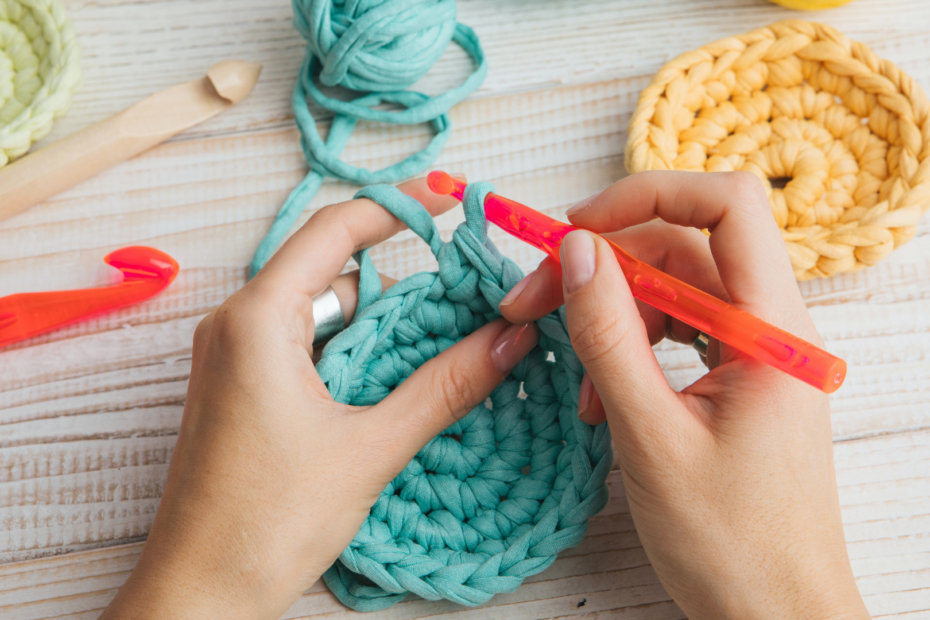
Crafting can be a rewarding way to express creativity without breaking the bank. Budget-friendly craft ideas for adults focus on using inexpensive materials and simple techniques that deliver satisfying results. These projects often repurpose everyday items or use affordable supplies to keep costs low while sparking creativity.
Whether you’re new to crafting or looking for new ideas, there are plenty of options that don’t require costly tools or rare materials. From DIY home decor to personalized gifts, these crafts are accessible and enjoyable for anyone. Exploring these ideas can turn idle moments into productive and creative time without worrying about spending too much.
Essential Supplies for Budget-Friendly Crafts
Selecting the right materials and tools shapes the success of affordable crafting projects. Prioritizing cost-effective sources and versatile supplies can stretch your budget. Knowing where to shop and how to save adds value without sacrificing quality.
Affordable Materials List
Basic craft supplies like glue, scissors, paper, and paint are essential and widely useful. Items such as recycled cardboard, fabric scraps, old magazines, and buttons often come at little or no cost and can enhance creativity.
Consider multipurpose materials like acrylic paints, which work on various surfaces, and neutral-colored yarn for different knitting or weaving projects. Purchase bulk items like beads or thread in small kits to reduce upfront costs.
Using household objects (e.g., jars, old clothes) diversifies materials without spending extra. Focus on items you can repurpose or reuse to avoid buying specialty items that may only serve one project.
Where to Find Low-Cost Craft Supplies
Discount stores such as Dollar Tree, Walmart, and Target’s clearance sections often carry affordable crafting basics. Thrift stores and garage sales can yield fabric, tools, and decorative items at low prices.
Online marketplaces like eBay and Amazon sometimes offer bulk craft kits or sample packs that reduce per-unit costs. Community swapping groups and Facebook Marketplace also enable free or inexpensive supply exchanges.
Local craft stores occasionally have weekly sales or coupons—signing up for their newsletters alerts you to these deals. Don’t overlook recycling centers for materials such as wood scraps, plastics, or metal pieces suitable for crafting.
Tips for Saving Money on Crafting Tools
Invest in a few high-quality tools instead of many cheap ones; this reduces long-term replacement costs. Basic items like a precision cutter, a good pair of scissors, and an adjustable glue gun cover most project needs.
Borrow tools from friends or community workshops when possible. Using multi-functional tools, such as a rotary cutter, can replace several single-purpose items.
Keep tools maintained to extend their life—sharpen blades regularly and clean glue guns after use. Avoid impulse buys by planning projects ahead and purchasing only necessary tools.
DIY Home Decor on a Budget
Creating unique home decor doesn’t require a big budget. Simple projects using everyday items can refresh your space and save money. This section breaks down approaches using materials you likely already have, ways to reimagine worn items, and easy wall art ideas.
Crafting with Recycled Materials
Recycled materials are an affordable, eco-friendly choice for DIY decor. Common items like glass jars, cardboard, and fabric scraps can be transformed into stylish pieces.
Glass jars work well as candle holders or vases. Clean them thoroughly, then paint or wrap twine around the neck for texture. Cardboard can be cut into geometric shapes for 3D wall art or used as a stencil for painting.
Textile scraps lend themselves to patchwork cushion covers or coasters. Use hot glue or simple stitches to bind pieces together. These crafts cut waste and add charm with minimal investment.
Upcycling Old Items
Upcycling means turning old, unwanted objects into something useful and attractive. This is a cost-effective way to personalize your home.
Consider refurbishing wooden furniture with a fresh coat of paint or new hardware. A scratched dresser can look modern with matte black paint and brass knobs. Old picture frames can be repurposed as decorative trays or message boards by adding fabric backing or cork.
Beads, buttons, and other small craft supplies from outdated projects can be glued onto surfaces for a textured, colorful finish. Upcycling increases the lifespan of materials and adds character.
Wall Art Projects
Making your own wall art is a straightforward way to add personality without spending much. Use affordable supplies and focus on clean, simple designs.
Canvas panels or stretched fabric over frames provide a base for painting geometric patterns or abstract designs using acrylic paints. You can also create string art by hammering nails into wood and weaving colorful thread between them in patterns.
Photo collages are another low-cost option. Print your favorite pictures on standard paper, mount them on cardstock, and arrange them symmetrically in simple frames or directly on the wall with removable adhesive. This approach is customizable and easy to update.
Functional Crafts for Daily Use
Creating practical items through crafting can save money and add a personal touch to daily routines. Focused, useful projects often require minimal materials yet deliver high functionality.
Handmade Storage Solutions
Making storage items like baskets, jars with labels, or fabric bins is both practical and budget-friendly. Using leftover fabric scraps, recycled cardboard, or glass jars transforms discarded materials into organized spaces.
For example, weaving baskets from old newspapers or magazines is a durable option. Decorating plain containers with paint or fabric creates unique storage for office supplies, kitchen utensils, or toiletries.
Benefits include:
- Cost-effective organization
- Custom sizing to fit specific spaces
- Reusing materials reduces waste
Eco-Friendly Household Items
Crafting eco-friendly products replaces disposables and lowers environmental impact. Popular projects include making reusable beeswax wraps or cloth napkins from old clothing.
Additionally, homemade cleaners in repurposed spray bottles reduce plastic waste and chemical exposure. Ingredients like vinegar, baking soda, and essential oils are inexpensive and easy to source.
Common eco projects:
| Item | Materials Needed | Primary Use |
| Beeswax wraps | Cotton fabric, beeswax, pine resin | Food storage |
| Reusable napkins | Old cotton shirts or sheets | Dining and cleaning |
| Natural cleaners | Vinegar, baking soda, essential oils | Surface cleaning |
These crafts not only save money but also contribute to a more sustainable lifestyle.
Gift Ideas That Save Money
Creating thoughtful gifts doesn’t require spending much money. Focusing on personalized touches or seasonal crafts can make presents feel special without straining your budget.
Personalized Budget Gifts
Personalized gifts add unique value without high costs. Simple ideas include handmade photo frames decorated with budget-friendly materials like washi tape or recycled wood. Customized mugs can be crafted with paint pens, turning an ordinary item into a meaningful keepsake.
Another approach is creating scrapbooks or memory jars filled with notes, photos, or small tokens. These projects require minimal supplies but deliver a strong emotional impact. Writing a heartfelt letter on decorative paper can also enhance any gift at almost no cost.
Materials to consider:
| Item | Cost Estimate | Use |
| Plain mugs | $1-$3 | Decorate with ceramic markers |
| Scrapbook paper | $0.50-$2 | Photo albums or memory books |
| Mason jars | $1-$3 | Fill with notes or small surprises |
Holiday and Special Occasion Crafts
Crafting gifts for holidays or special occasions focuses on timely themes using affordable supplies. For example, creating homemade candles with essential oils and soy wax offers a personalized touch. Decorating candles with ribbons or seasonal motifs keeps costs low.
Another idea is DIY ornament making, using items like salt dough, recycled paper, or felt. This allows customization for family or friends and suits various holidays. Baking and packaging cookies in decorated boxes also remains a popular budget-friendly option for special days.
Craft tip: Gather seasonal natural materials (pinecones, dried flowers) to enhance designs without buying extras.
Creative Group Crafts for Adults
Group crafts can turn time spent with friends or colleagues into both a fun and productive experience. Projects that encourage interaction and collaboration can fit various occasions and skill levels. Materials are often inexpensive and widely available, making these crafts accessible.
Crafts for Parties and Gatherings
Crafts suited for social events focus on simplicity and shared participation. Options like decorating wine glasses, creating personalized coasters, or making DIY candles allow guests to leave with a keepsake. Using basic supplies such as washi tape, paint pens, and inexpensive wax simplifies setup.
Games or challenges can be incorporated to engage everyone, for example, a team-based scrapbooking challenge or a group ornament decorating session. These activities promote conversation and teamwork while keeping costs low by reusing common household items.
Collaborative Art Projects
Joint art projects work well for building community or team spirit. Projects such as a large canvas mural, a collective mosaic, or a patchwork quilt emphasize contribution and coordination. Each participant adds a piece, resulting in a unique final product that reflects the group effort.
To keep expenses down, use recycled materials like old magazines, fabric scraps, or leftover paint. Planning the layout beforehand and distributing tasks allows for smooth progress. These crafts can be displayed publicly or kept as a reminder of group accomplishment.
Ways to Sell and Share Your Crafts
Selling and sharing your crafts can be done through local events or online marketplaces. Both methods offer budget-friendly options to reach buyers and build a following.
Budget-Friendly Craft Fairs
Craft fairs are a low-cost way to sell handmade items directly to customers. Look for community events, farmer’s markets, or school fundraisers where booth fees are typically affordable.
Prepare a simple display using inexpensive materials like fabric or recycled items to showcase your work professionally. Bring business cards or flyers with your contact information for repeat buyers.
Networking with other crafters at these events can lead to new opportunities and collaborations. Keep track of which fairs attract the most sales to focus your efforts efficiently.
Online Platforms for Selling Handmade Items
Websites like Etsy, eBay, and Facebook Marketplace provide accessible platforms with minimal upfront costs. Etsy charges a small listing fee and a percentage of sales, making it suitable for consistent sellers.
Create clear product photos and detailed descriptions to improve your chances of sales. Use social media to promote your listings and engage with potential buyers.
Consider offering promotions or bundles to attract first-time customers. Track your sales and customer feedback to adjust your listings and pricing accordingly.
Sustainable and Eco-Friendly Crafting
Crafting with sustainability in mind means using materials wisely and minimizing waste. This approach favors practical techniques that reduce environmental impact without increasing costs.
Reusing Everyday Items
Many household objects can be transformed into craft materials, saving money and resources. For example, glass jars become candle holders or storage containers with simple decoration. Old magazines and newspapers can be cut into shapes for scrapbooking or paper weaving.
Fabric scraps from worn-out clothing make excellent patches or quilting pieces. Even packaging materials such as cardboard and bubble wrap often serve as bases or texture enhancers in projects.
By prioritizing items already available at home, crafters avoid purchasing new supplies unnecessarily, reducing clutter and waste simultaneously.
Low-Waste Craft Techniques
Low-waste crafting focuses on methods that produce minimal scraps and leftover materials. One effective technique is pattern nesting in sewing, where fabric pieces are arranged tightly to use almost every inch of cloth.
Another approach is modular crafting, such as creating small sections separately that combine into a larger finished product. This method simplifies recycling unused parts or repurposing them in future projects.
Using refillable markers, natural dyes, and biodegradable glues supports an eco-conscious workflow. Choosing quality tools and materials also reduces the frequency of replacements and discards.
Seasonal and Themed Budget Craft Ideas
Crafts tied to the changing seasons offer clear themes and materials that can often be found around the home or at low cost. Using what’s readily available helps keep expenses down while creating meaningful, seasonally appropriate projects.
Spring and Summer Projects
Spring crafts focus on renewal and fresh colors. Use recycled jars or bottles to create flower vases or lanterns with inexpensive tea lights. Pressed flowers or leaves collected during walks can be turned into bookmarks, cards, or framed art.
Summer projects benefit from outdoor activities. Build simple wind chimes using seashells, driftwood, or beads purchased inexpensively. Tie-dye t-shirts with basic dye kits add a fun, wearable craft option. Both seasons favor bright palettes—incorporate yellows, greens, and blues for vibrant results.
Autumn and Winter Inspirations
Autumn crafts center on natural materials like pinecones, acorns, and dried leaves. Create wreaths or table centerpieces using these items combined with ribbon or twine, which is budget-friendly. Candle holders decorated with autumn motifs also fit well.
Winter projects can use common household items for festive decor. Paper snowflakes, salt dough ornaments, or homemade greeting cards keep costs low. Utilize leftover fabric scraps or yarn for cozy decorations like garlands or small stuffed toys. Focus on warm tones like reds, golds, and greens to reflect the season.